skin care
Oil Cleansing Method: How It Works for Every Skin Type
Antonella Latilla | International Educator & Trainer
8 min read


The Oil Cleansing Method: Your Guide to Radiant, Healthy Skin
Key Takeaways
- The oil cleansing method (OCM) uses natural oils to dissolve dirt, makeup, and excess sebum without stripping the skin of its protective barrier.
- Oil cleansing works for all skin types, including oily and acne-prone skin, when paired with the right base oils such as jojoba oil.
- An unbalanced skin pH, not oil itself, is typically the root cause of breakouts; OCM helps restore that balance by reintroducing healthy oils to the skin's microbiome.
- You can customize your oil cleansing routine by season: lighter oils in summer and richer, more nourishing oils in winter.
- Oil cleansing pairs well with a water-based second cleanse (double cleansing) for the most thorough yet gentle results.
Why Your Skin Needs Oil for a Healthy Barrier
Think about the skin’s daily duties - protecting you against the elements, regulating your internal temperature, and alerting you to sensations, both good and bad. It’s no wonder that the body’s largest organ needs oil to work properly. Natural oil keeps it hydrated and provides a protective barrier so the skin can do its jobs better.
To achieve the appearance of youthful skin, and a healthy, supple feel, oil is necessary. It provides a barrier that keeps healthful bacteria thriving on the skin biome while helping the skin heal from injuries. Many skin care tactics talk about oil as the root cause of all our skin issues, like cystic acne, pimples, and whiteheads. However, it’s usually an unbalanced pH that causes an overproduction of oil, which then leads to a host of skin problems.
Instead of thinking about stripping oil away, oil cleansing allows us to reintroduce healthy, natural oils back to the skin’s microbiome. Here’s what to know about this increasingly popular method.
"Often, the materials that we are trying to remove from the skin, such as sebum, SPF, or makeup, are themselves lipophilic, meaning that they are attracted to and bind to oils. This makes oil-based cleansers very effective. They are an important part of a double-cleansing ritual which leaves the skin deeply cleansed without overly stripping the skin of the hydration needed to maintain the barrier function."
Christine Lee - Comfort Zone Master Educator
What Is the Oil Cleansing Method and How Does It Work?
The oil cleansing method, often abbreviated to OCM, uses natural oils instead of a soap based foaming facial cleanser to wash away dirt, grime, and makeup. The basic idea is that oil dissolves oil, so by replacing the dirty oil left on your face after a long day at work with a clean, refreshing oil, you are still gaining clean skin but without dehydrating it in the process.
Remedy Cream-To-Oil Cleanser: This nourishing face wash helps you easily introduce the oil cleansing method to your skincare routine. Silky cream quickly transforms to a hydrating, supple oil as it removes impurities and leaves behind soft, clean skin. It can be used on its own or as part of a double cleansing routine.
Essential Biphasic Makeup Remover: Water-resistant makeup users, take note. This oil-based cleanser can remove even the most stubborn makeup and thick sunscreens. The fragrance free formula is delicate for use around the eyes and lips.
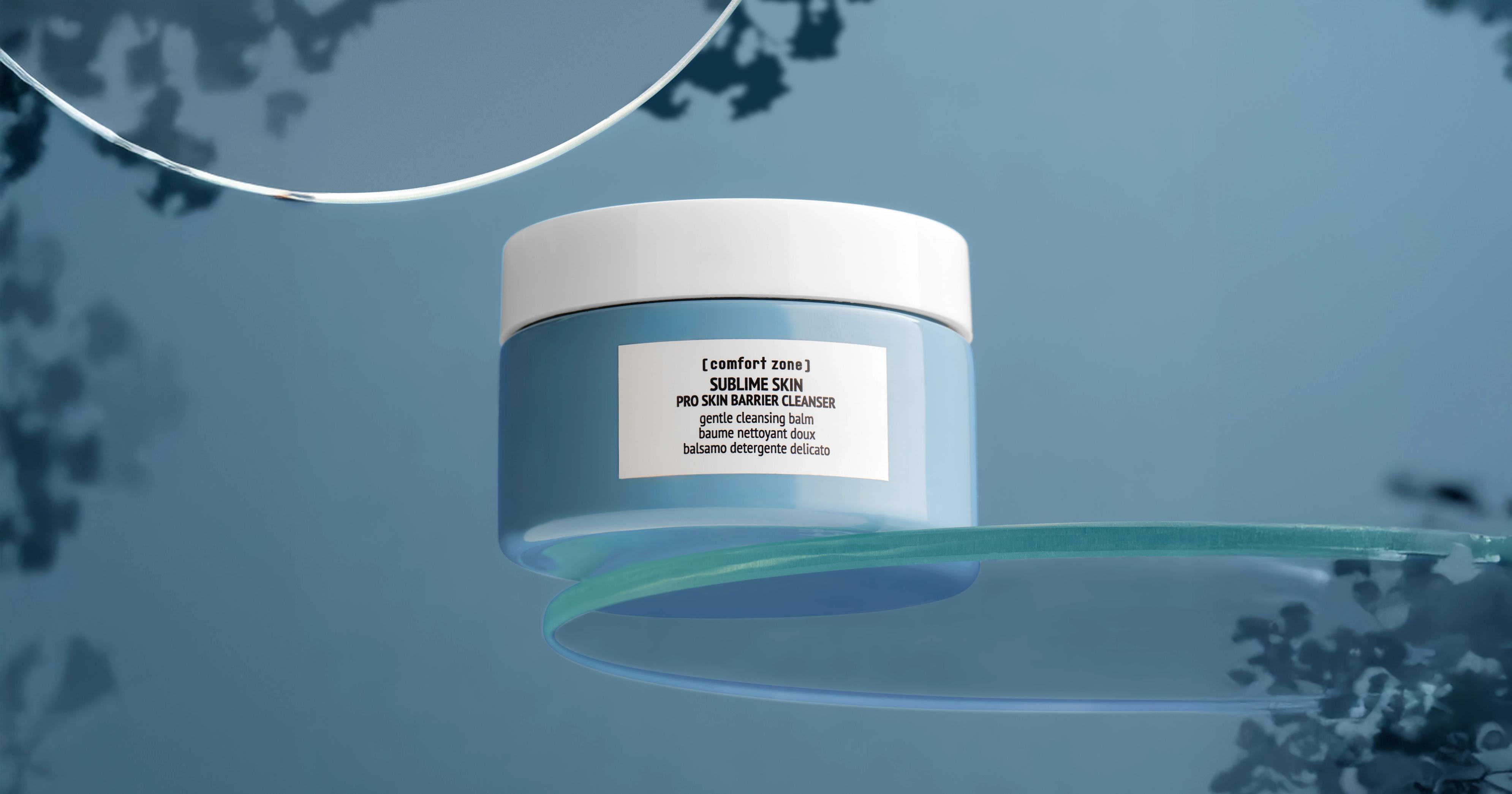
Sublime Skin Pro Skin Barrier Cleanser: Enriched with Achillea millefolium oil extract and sweet almond oil, it effectively removes make-up and cleanses without disrupting the skin barrier, leaving the skin soft and velvety. Also ideal for double cleansing.

Oil Cleansing Tips for Different Skip Types
The oil cleansing method works for all skin types, from dry to oily and anything in between. It is important to note that different skin types will have varying requirements and considerations.
Oily skin
Those with oily skin should consider using certain base oils that contain astringent ingredients like Jojoba or almond oil.
Normal skin
If you are one of the lucky few with normal skin, then you can potentially opt for any oil that feels great on your skin. Think about the conditions you do experience from time to time and choose a base oil that
way. Oil cleansing products work well with this skin type, especially for those in cold, arid climates.
Sensitive or Dry skin
Skin is usually in desperate need of additional hydrating, so using an ultra-moisturizing oil works well. Jojoba oil can work really well for sensitive skin as it's thick, hydrating, and easy to come by.
Seasonal adjustments
Your skin changes along with the seasons, meaning that you can switch up your oil cleanser as well. During the summer months, you may want to opt for a lighter-weight oil whereas winter weather requires a thicker, more nourishing oil.
Wear sunscreen
Those with oily skin should consider using certain base oils that contain astringent ingredients like tea tree, rosehip, or peppermint oil. Diluted castor oil is great for this skin type as well.
Combination skin
Consult with a dermatologist or esthetician before embarking on your own OCM. Since combination skin can be both oily and dry at the same time or at different times, it takes extra caution to treat. Sunflower oil can be a wonderful tool in your skincare kit.
Normal skin
If you’re one of the lucky few with normal skin, then you can potentially opt for any oil that feels great on your skin. Think about the conditions you do experience from time to time, and choose a base oil that way.
Dry skin
Oil cleansing products work well with this skin type, especially for those in cold, arid climates. Skin is usually in desperate need of additional hydrating so using an ultra-moisturizing oil like sesame oil or black currant oil.
Sensitive skin
Olive oil can work really well for sensitive skin as it's thick, hydrating and easy to come by
Often, our skin doesn’t just occupy one category. It changes along with the seasons, meaning that you can switch up your oil cleanser as well. During the summer months, you may want to opt for a lighter-weight oil whereas winter weather requires a thicker, more nourishing oil.
How to Do the Oil Cleansing Method Step by Step
The oil cleansing method is simple to perform and can easily be incorporated into your nightly skincare routine. Follow these steps for the best results
Step 1: Choose your oil cleanser.
Select a base oil suited to your skin type. For oily or acne-prone skin, try jojoba oil. For dry or sensitive skin, almond oil.
Step 2: Apply to dry skin.
Pour about a quarter-sized amount of oil into your palms. Gently massage the oil onto your dry face using circular motions for one to two minutes. Focus on areas where makeup, sunscreen, or excess oil tend to build up.
Step 3: Steam with a warm cloth.
Soak a clean washcloth in warm (not hot) water, wring it out, and drape it over your face for about 30 seconds. The warmth opens pores and helps the oil lift out impurities. Repeat this step once or twice.
Step 4: Gently wipe away.
Use the warm cloth to softly wipe the oil from your face. Do not scrub. Your skin should feel clean, soft, and hydrated, not tight or stripped.
Step 5: Follow with a second cleanse (optional).
For a thorough double-cleansing routine, follow up with a gentle water-based cleanser to remove any remaining residue. This is especially helpful for those who wear heavy makeup or sunscreen daily.
Comfort Zone Remedy Cream-to-Oil Cleanser is an excellent choice for this step. Its silky cream transforms into a hydrating oil as you massage, removing impurities while leaving skin soft, clean, and nourished.
Frequently Asked Questions About the Oil Cleansing Method
Does the oil cleansing method work for acne-prone skin?
Yes. While it may seem counterintuitive, oil cleansing can be very effective for acne-prone skin. The key is choosing non-comedogenic oils. These oils help dissolve excess sebum and unclog pores without triggering new breakouts. Oil cleansing also helps balance your skin's natural oil production over time, which can reduce acne in the long run.
How often should I use the oil cleansing method?
Most people benefit from oil cleansing once a day, typically in the evening, to remove the day's buildup of makeup, sunscreen, and environmental pollutants. In the morning, a simple rinse with water or a gentle water-based cleanser is usually sufficient. If you have very dry skin, you may find that oil cleansing every other night works best to avoid over-cleansing.
What is the best oil to use for oil cleansing?
The best oil depends on your skin type. Jojoba oil is one of the most versatile options because it closely resembles the skin's natural sebum and works well for most skin types. Sweet almond oil is great for dry or sensitive skin.
Can I use the oil cleansing method if I wear heavy makeup?
Absolutely. Oil cleansing is one of the most effective ways to remove heavy makeup, including waterproof mascara and long-wear foundation. The oil breaks down makeup on a molecular level, dissolving it far more gently and thoroughly than many traditional makeup removers. For best results, follow your oil cleanse with a water-based cleanser (double cleansing) to ensure all residue is removed.
Will oil cleansing make my skin oily or greasy?
When done properly, oil cleansing should not leave your skin feeling greasy. The warm cloth removal step is essential for lifting away excess oil. After cleansing, your skin should feel clean, soft, and hydrated. If your skin feels oily afterward, try using a lighter oil or reducing the amount you apply. Over time, oil cleansing can actually help regulate your skin's sebum production, leading to a more balanced complexion.