skin care
How Peels Improve Uneven Skin Tone, Texture, and Wrinkles
5 min read

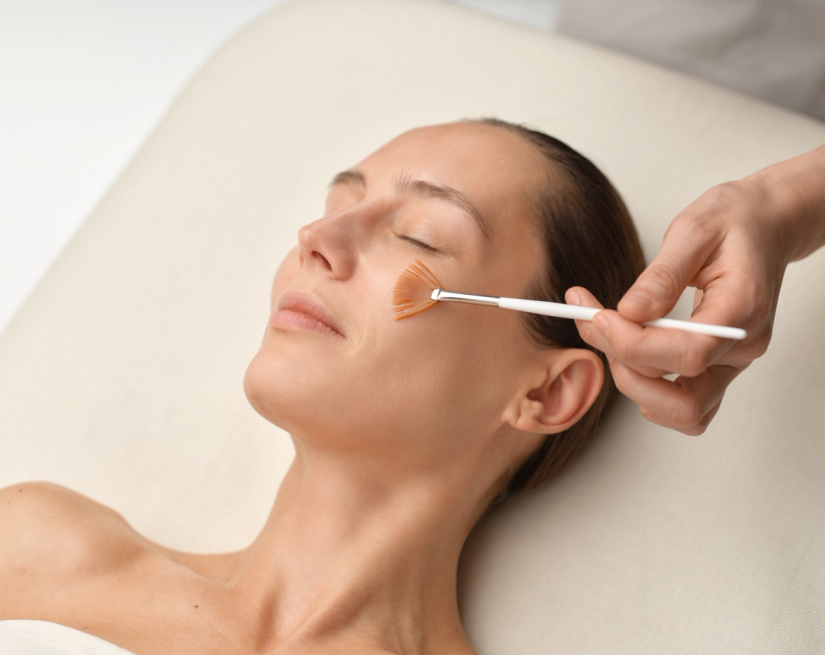
Chemical peels are among the most well-known and versatile skin renewal treatments, but they’re often misunderstood. They are often associated exclusively with intensive professional treatments, when in fact exfoliating acids can support a wide range of skincare approaches, from maintaining daily radiance and smoothness to more intensive at-home programs and professional peels performed by skincare professionals or physicians. Different formulations, strengths, and techniques produce different results, so there is no one-size-fits-all peel.Every chemical peel works on the same principle: it loosens and removes dead surface skin cells in a controlled way to support the skin’s natural renewal process. This can improve tone and texture while helping reduce the appearance of discoloration and fine lines. Results depend on choosing the right acid, concentration, pH, application time, treatment frequency, and approach for your skin. Chemical peeling is therefore all about personalization: not a single treatment, but a range of strategies that allow intensity, frequency, and goals to be tailored to the skin and the desired result. The most effective peel isn’t the strongest, it’s the one best suited to your skin’s needs.
What Is a Chemical Peel?
A chemical peel is a skin treatment that uses acids to remove dead skin cells and encourage healthier, smoother skin. Unlike physical exfoliation, which uses scrubs or brushes to manually remove skin cells, chemical peels dissolve the bonds that hold dead skin cells together so they can shed more evenly.
Chemical peels come in three depths:
- Superficial (light) – Removes the outermost layer of dead skin cells to improve brightness, smoothness, and overall skin tone with little to no downtime.
- Medium – Reaches deeper into the skin to improve discoloration, fine lines, and uneven texture.
- Deep – Penetrates the deepest layers of the skin for significant rejuvenation. These medical-grade treatments require longer recovery and careful patient selection.
A peel's strength isn't determined by the type or percentage of acid alone. Factors like the acid's formulation, pH, application time, and your skin's condition all influence how deeply it works and the results it delivers.
How Chemical Peels Work on Skin
Your skin is constantly renewing itself. New skin cells form in the deepest layer of the epidermis, gradually move to the surface, and naturally shed. As you age, this process slows, and sun exposure and other environmental factors can slow it even more. Dead skin cells build up, leaving skin looking dull, rough, and uneven. Chemical peels help speed up cell turnover by dissolving the bonds between dead skin cells, allowing them to shed more evenly. This reveals smoother, brighter skin and improves the absorption of skincare products.Medium and deep peels can also stimulate collagen production by triggering the skin's natural repair process. While brighter skin may be noticeable soon after treatment, improvements in texture, firmness, and fine lines develop gradually as new collagen forms. When used appropriately, chemical exfoliation supports healthy skin renewal and resilience. Over-exfoliating, however, can weaken the skin barrier, making proper treatment selection and aftercare essential.

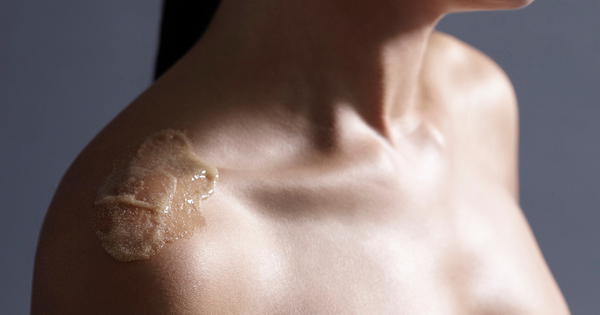
Chemical Peel Benefits for Uneven Skin Tone, Texture, and Wrinkles
The best chemical peel isn't the strongest; it's the one that targets your skin concerns. Dark spots, rough texture, and wrinkles each require different acids, strengths, and treatment plans. While some results, like brighter, smoother skin, are noticeable quickly, others, such as improved firmness and fine lines, develop gradually with a series of treatments.
Chemical Peels for Hyperpigmentation and Uneven Skin Tone
Chemical peels can help fade sun spots, post-acne marks, and dullness by removing pigmented dead skin cells from the skin's surface. As these cells shed and new ones replace them, skin tone appears brighter and more even.
Different acids work best for different needs:
- Lactic acid – Gently exfoliates while boosting hydration, making it ideal for improving radiance.
- Mandelic acid – Exfoliates more slowly, making it a good choice for sensitive skin, darker skin tones, and uneven pigmentation.
- Polyhydroxy acids (PHAs) – PHAs such as gluconolactone have a larger molecular size and promote gradual surface renewal with a high level of tolerability. This makes them particularly suitable for improving radiance and evenness while reducing the risk of irritation associated with more intensive exfoliation.
While chemical peels can improve many types of surface discoloration, deeper or more complex pigmentation, such as melasma, is also influenced by factors including hormones, light, heat, and individual predisposition, and often requires a customized treatment plan developed with a dermatologist. Overly aggressive exfoliation can trigger inflammation and make pigmentation more visible, especially in darker skin tones. A gradual approach and daily broad-spectrum sunscreen are therefore essential to help prevent new discoloration and maintain results.
Chemical Peels for Skin Texture and Roughness
Chemical peels can improve rough or congested skin by removing dead skin cells, clearing clogged pores, and smoothing uneven texture. As the skin renews itself, it looks softer, brighter, and more refined.
The best acid depends on your skin concerns:
- Glycolic acid – Helps smooth rough, thickened, or dull skin.
- Succinic acid – A multifunctional acid that provides exfoliating action while helping reduce the appearance of blemishes.
- Lactic acid – Gently exfoliates while helping the skin retain moisture, making it a great addition to blended formulas.
Chemical peels can also minimize the appearance of enlarged pores by clearing away oil and debris, making the skin's surface look smoother. If your skin is very dry, irritated, or sensitive, however, restoring the skin barrier should come before exfoliation.
Chemical Peels for Wrinkles and Fine Lines
Chemical peels can soften the appearance of fine lines by removing dull, uneven surface cells and supporting the skin's natural renewal process. Professional peels, especially medium-depth, can also stimulate collagen production, leading to firmer, smoother-looking skin over time, reducing the appearance of superficial wrinkles. Deeper wrinkles, which result from volume loss and repeated facial movements, typically require additional treatments for more noticeable improvement. With a series of properly spaced treatments, chemical peels can improve skin texture, firmness, and overall skin quality for longer-lasting results.
Types of Chemical Peels
Chemical peels are available in three depths, superficial, medium, and deep, each designed to target different skin concerns. The deeper the peel, the more dramatic the results can be, but treatment intensity, recovery time, and the level of professional supervision also increase.
| Peel Depth | How Deeply It Works | Best For | Who Should Perform It? |
| Superficial (light | Outer layer of the skin (epidermis) | Dullness, uneven texture, roughness, congested pores, blackheads, and fine lines | At-home products or professional treatments |
| Medium | Through the epidermis to the dermo-epidermal junction | Sun damage, discoloration, more noticeable fine lines, and some acne scars | Qualified professional or physician |
| Deep | Deep dermis | Advanced sun damage, deep wrinkles, and significant scarring | Physician only |
Superficial peels are ideal for routine skin renewal, while medium and deep peels require professional evaluation, application, and aftercare. If you're considering anything beyond a light peel, consult a qualified skincare professional or dermatologist to determine the safest and most effective treatment for your skin.
At-Home Chemical Peels vs. In-Office Peels
At-home and in-office peels both support skin renewal, but they differ in strength, depth, and results. Professional peels use more intensive formulas selected by a provider, while at-home peels are designed for gradual improvement and maintenance.
| At-Home Chemical Peels | In-Office Peels | |
| Intensity | Gentle cosmetic formulas | Stronger, professional treatments |
| Action | Superficial and progressive | More targeted and deeper, depending on the peel |
| Results | Brighter, smoother, more even skin with improved texture and pores | More noticeable improvement in discoloration, sun damage, scars, and wrinkles |
| Recovery | Minimal; possible dryness or mild flaking | Varies based on treatment depth |
| Frequency | Based on product instructions and skin tolerance | Determined by a professional |
| When to Choose It | Maintenance, dullness, roughness | Determined by a professional |
At-home peels can be a great addition to a skincare routine or used between professional treatments. To use them safely choose one exfoliating product, follow directions, moisturize, and apply sunscreen daily. Burning, pain, or excessive peeling are not signs of better results. Effective exfoliation should support the skin, not compromise it.
How to Care for Skin Before and After a Chemical Peel
Proper preparation and aftercare are key to achieving the best results from a chemical peel. Healthy, balanced skin before treatment and gentle care afterward help support recovery.
Before your peel:
- Use a gentle cleanser such as Essential Face Wash.
- Keep skin well hydrated with moisturizer like Hydramemory Rich Sorbet Cream.
- Avoid scrubs, brushes, waxing, and other irritating treatments.
- Pause retinoids, retinol, and other exfoliating actives as directed.
- Do not use a peel on irritated, sunburned, or sensitized skin.
- Share any medications, skin concerns, or history of cold sores or pigmentation changes with your provider.
After your peel:
- Cleanse gently with lukewarm water and a mild cleanser such as Remedy Cream-to-Oil.
- Apply a nourishing moisturizer to support the skin barrier, like /skin regimen/Lx Tripeptide Gel Cream.
- Avoid retinoids, acids, scrubs, and other active ingredients until skin recovers.
- Do not pick or pull peeling skin.
- Apply broad-spectrum SPF 30+ daily and limit sun exposure.
Signs your skin needs extra hydration:
- Persistent tightness or dryness
- Flaking, small cracks, or rough patches
- Burning or stinging when applying products
- Increased sensitivity to touch or skincare products
During recovery, focus on hydration and barrier support. Excessive pain, swelling, blistering, or unusual skin changes should be evaluated by a professional.
Comfort Zone Peels and Exfoliators for At-Home Use
The Comfort Zone collection includes chemical peels and exfoliators designed to improve dullness, uneven texture, visible pores, and early signs of aging, all from the comfort of home.
- /skin regimen/Lx Enzyme Exfoliator: An enzyme powder cleanser with papaya enzymes, rice starch, and chlorella that gently removes dead skin cells while leaving skin smoother, brighter, and more refined.
- Sublime Skin Peel Pads: Pre-soaked pads with glycolic, lactic, and citric acids that exfoliate, brighten, and refine skin texture. They're ideal for improving uneven tone, dullness, and the appearance of fine lines.
- Sublime Skin Micropeel Lotion: A lightweight daily exfoliating lotion with lactic acid and gluconolactone (PHA) that gently smooths skin, refines the look of pores, and boosts radiance with consistent use.
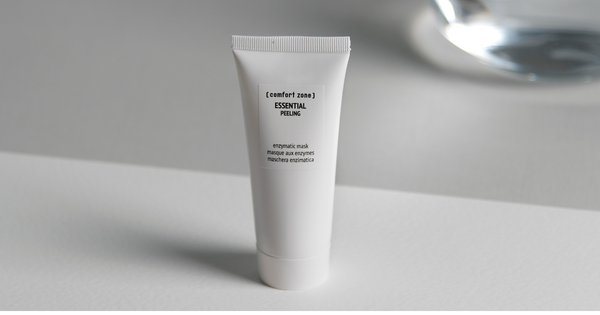
- Essential Peeling: An enzymatic mask with bromelain and betaine that provides gentle exfoliation to reveal softer, smoother, more radiant skin, ideal for sensitive skin or occasional use.
Choose the product that best fits your skin goals and tolerance. Use only one exfoliating product at a time, follow with a moisturizer, and apply sunscreen every morning to protect your results.

How to Add a Chemical Peel Into Your Routine
Chemical peels should be started slowly and increase use only if your skin stays comfortable and well hydrated. The right frequency depends on your skin type and concerns:
- Sensitive or dry skin condition: Start with a patch test. If well tolerated, proceed with a gentle peel once a week, always following with a hydrating, barrier-supporting moisturizer.
- Normal or combination skin condition: Use 1-2 times per week to improve dullness, uneven texture, or early signs of aging.
- Oily or acne-prone skin: A Mandelic acid exfoliant may be used as directed to help reduce congestion and minimize the look of pores.
For best results, keep your routine simple:
- Cleanse with a gentle cleanser.
- Apply one exfoliating product as directed.
- Follow with a hydrating, barrier-supporting moisturizer.
- Apply broad-spectrum sunscreen (SPF 30+) every morning.
Consistency, not over-exfoliation, is the key to brighter, smoother, healthier-looking skin.
FAQs
What is a chemical peel and how does it work?
A chemical peel is a skin treatment that uses acids to remove dead skin cells and speed up the skin's natural renewal process. As fresh skin cells replace older ones, skin appears smoother, brighter, and more even.
Do chemical peels really help with wrinkles?
Yes. Chemical peels are most effective for improving fine lines and superficial wrinkles. They smooth the skin's surface and support collagen production, while deeper wrinkles typically require additional treatments.
Can a chemical peel even out skin tone?
Yes. Chemical peels can help even out skin tone by removing dead skin cells that contain excess pigment. With regular treatments, they can reduce the appearance of sun spots, post-acne marks, and dullness for a brighter, more even complexion.
How long do chemical peel results last?
Results vary by the type of peel and your skin concerns. Brighter, smoother skin is often noticeable soon after treatment, while improvements in tone, texture, and fine lines develop with consistent treatments. Daily hydration and sunscreen help maintain your results.
How often should you get a chemical peel?
It depends on the type of peel, your skin concerns, and your skin's tolerance. Many at-home peels can be used once or twice a week, while professional peels are scheduled based on your provider's recommendations. Always follow the product instructions and avoid over-exfoliating.
Can you do a chemical peel at home?
Yes. At-home chemical peels are safe when you use products formulated for home use and follow the directions. Moisturize afterward, and wear sunscreen daily. Medium and deep chemical peels should only be performed by a qualified skincare professional or physician.