skin care
Skin Discoloration on Face: Causes, Types & How to Treat It
Eve Mérinville | Corporate RD Excellence & SC RD and Innovation Director
10 min read

Understanding Skin Discoloration on Your Face
Key Takeaways
- Skin discoloration on the face can appear as dark spots, redness, or lighter (hypopigmented) patches, and each type has a different cause.
- Sun exposure, hormonal changes, and post-acne inflammation are the most common triggers of facial discoloration.
- Daily broad-spectrum SPF 30+ is the single most effective way to prevent dark spots and uneven skin tone.
- Ingredients like vitamin C, retinol, and AHAs can gradually fade discoloration; consistency over weeks to months is key.
- See a dermatologist if discoloration appears suddenly, changes shape or color, or doesn’t respond to over-the-counter care.
Have you ever noticed changes in your skin’s color and wondered what might be causing it? Our skin, which is the body’s largest organ, reflects our health and overall well-being. While subtle variations in our skin's appearance are perfectly normal, the emergence of discolored patches, especially ones on the face, can raise a cause for concern and prompt the need for investigation. Skin discoloration can take on various forms, including redness, dark spots, or uneven pigmentation. In this blog, we are exploring common causes and effective treatments, including our specialized solution designed to target discoloration—the Luminant Collection.
Common Causes Of Discolored Skin on the Face
Discolored skin on the face is a common dermatological concern that can affect people of all ages and skin types, impacting not only appearance but also self-esteem. To effectively address discoloration, it is essential to understand the root cause, which can range from external factors to internal changes. Facial discoloration often arises from common triggers such as prolonged sun exposure, hormonal changes (seen in pregnancy or birth control use), and post-inflammatory hyperpigmentation resulting from acne scars. These factors contribute to variations in melanin levels which lead to dark spots, redness, or uneven pigmentation. Conversely, hypopigmentation, characterized by a loss of pigment, can also be a cause of skin discoloration. This manifests as lighter or white patches on the skin.
Types Of Skin Discoloration On The Face
Identifying the type of skin discoloration you’re facing isn’t always a straightforward process. In this section, we’re going to take a closer look at the different types in order to give you a better understanding of how each presents itself.
Dark Spots
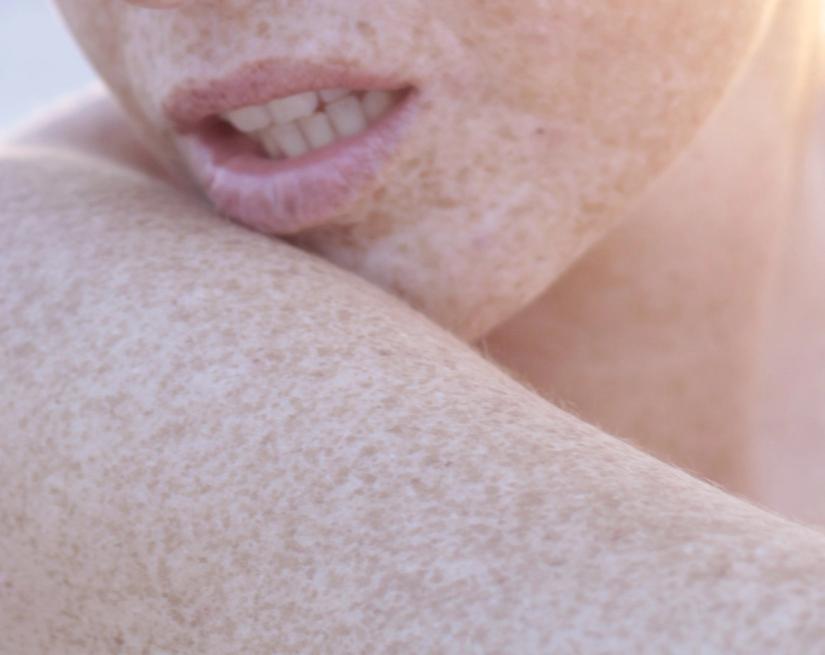
Dark spots, a common type of skin discoloration, are commonly found on the face but also on the hands, shoulders, and other areas frequently exposed to the sun. They can be caused by inflammation, hormonal changes, and sometimes skin injuries. With the appropriate approach, dark spots can be effectively addressed with a targeted skincare routine. This includes using products with ingredients like vitamin C, retinol, or AHAs, getting chemical peels, and regularly using sun protection. Comfort Zone’s Luminant Collection is designed to combat dark spots, providing a specialized approach to even out skin tone.
Hypopigmentation
Hypopigmentation is essentially the opposite of hyperpigmentation. It is characterized by the loss of skin color due to decreased melanin production. It appears as lighter or white patches of the skin, creating a noticeable contrast. Though skin injuries are the most likely cause of hypopigmentation, it can sometimes be the result of an underlying genetic condition, such as vitiligo. Treatment for hypopigmentation often requires chemical peels, dermabrasion, or laser skin resurfacing.
Acne Scarring
Even after breakouts have healed, the reminders of acne can linger, impacting confidence and overall complexion. Addressing the appearance of scars involves a combination of skincare, professional treatments, and preventive measures. Adopting a gentle cleansing routine will not only prevent irritation but also promote an overall even skin tone. Always use sun protection to avoid any further discoloration. In more serious cases, a dermatologist may recommend a professional procedure, such as micro needling.
Birthmarks
These unique markings can appear on a person's face or body at birth or develop shortly afterward. Birthmarks come in various forms, shapes, and sizes. It is important to recognize that birthmarks are not an imperfection, but rather natural characteristics that contribute to an individual’s uniqueness. However, for those seeking to fade a facial birthmark, options include various cosmetic products, laser therapy, and in some cases, surgical removal.
Rosacea
Rosacea is a chronic skin condition that affects millions of individuals, causing various types of facial discoloration. It is characterized by persistent redness and visible blood vessels on the face, typically in regions like the cheeks, nose, chin, and forehead. To prevent rosacea flare-ups, it is recommended to adopt a skincare routine that utilizes a gentle cleanser and moisturizer. Understanding what triggers the redness will also help with managing it. While there is no cure for rosacea, treatment can help control the symptoms.
Eczema or Dermatitis
Both eczema and dermatitis are common skin disorders that affect parts of the body, such as the face, and cause a great deal of concern for those affected. Though these terms are often used interchangeably, eczema is characterized by dry, itchy skin, while dermatitis is a general term for skin inflammation. Maintaining skin hydration is vital when treating this discoloration. Use a moisturizer with hyaluronic acid to nourish the skin, while also taking measures to stay protected from the sun.

Tips for Preventing and Treating Skin Discoloration on the Face
While the type of discoloration may vary from person to person, it is possible to maintain healthy, radiant skin with the right preventative measures and treatments. To stop the onset of facial discoloration and address existing concerns, it is imperative to prioritize a consistent skincare routine. Use gentle cleansers and moisturizers to prevent inflammation and irritation. Also, daily use of a broad-spectrum sunscreen with at least SPF 30 will help shield the skin from harmful UV rays, prevent sunburn, and reduce the risk of hyperpigmentation.
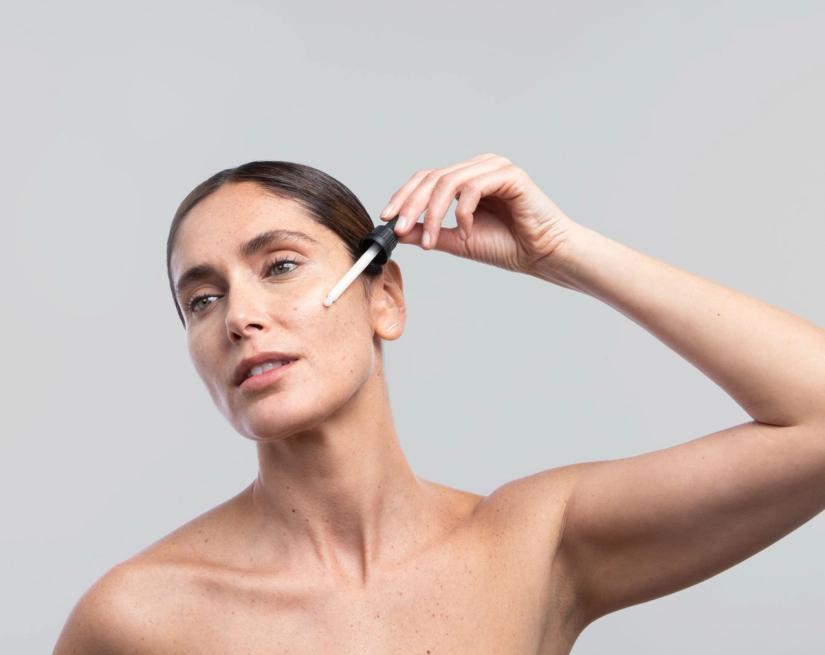
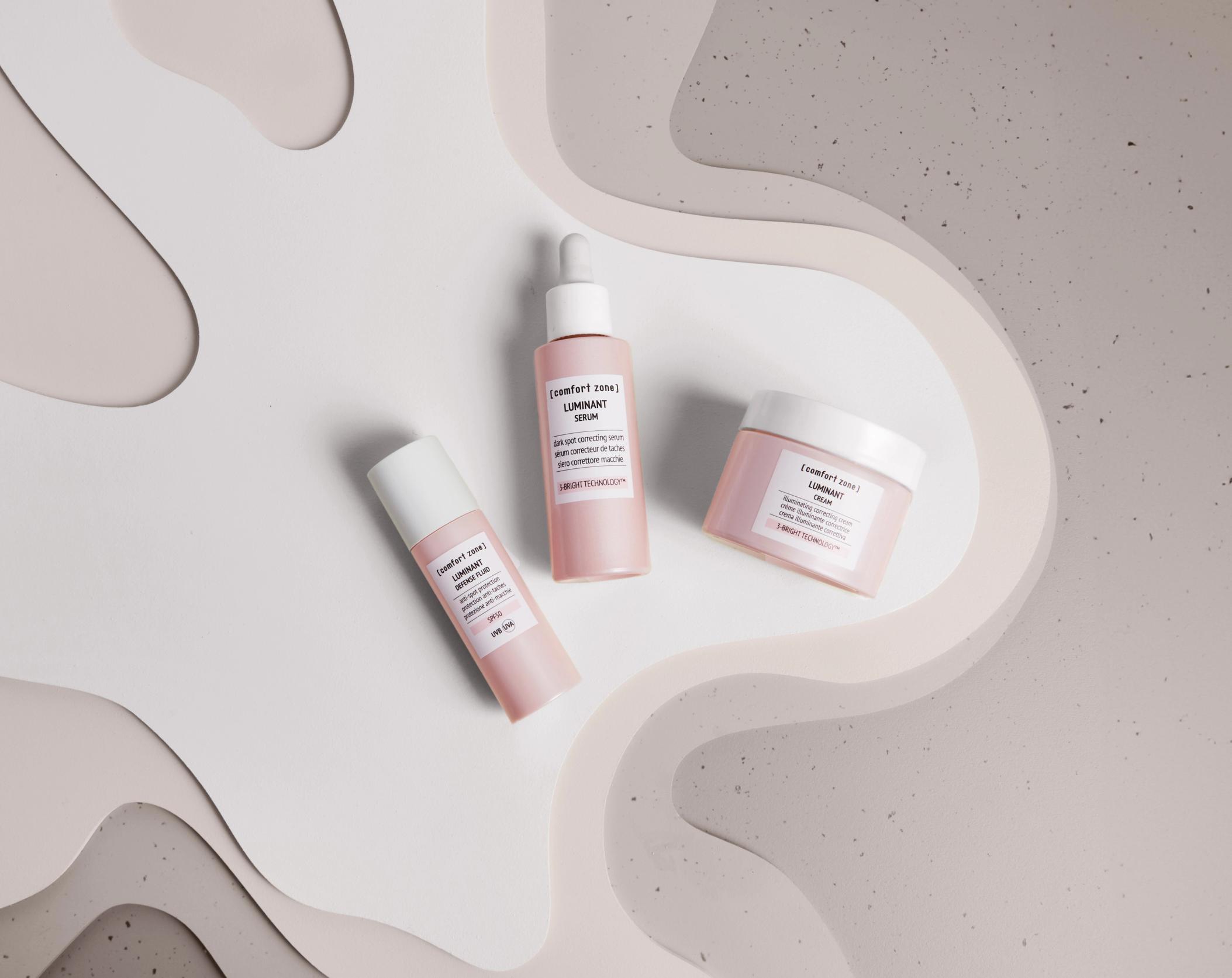
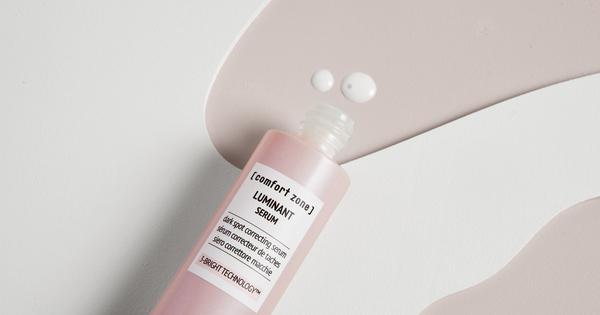
If you are already dealing with discolored skin on your face, there are various treatment options available. Topical treatments like vitamin C serums and skin-lightening creams can help fade dark spots and even out your skin tone over time. The Comfort Zone Luminant Collection, featuring the Luminant Serum (a dark spot correcting serum) and the Luminant Cream (an illuminating correcting cream), offers a two-step solution for radiant skin.
Additionally, professional treatments such as chemical peels, laser therapy, or microdermabrasion, may also be considered for various types of discoloration. It is best to consult with a dermatologist to tailor a personalized treatment plan based on individual skin needs. Either way, maintaining a consistent skincare routine and being patient with the process is essential. It can take weeks or months to see results.
When To Seek Professional Help
Skin concerns like dark spots, especially when they appear on the face, can be a source of stress for many. But despite what type of skin discoloration you are navigating, rest assured there are treatment options available. Explore Comfort Zone’s specialized solutions for skin discoloration and dark spots.
If you've tried over-the-counter remedies without success or noticed sudden and persistent changes in your skin's color, you may need to consider consulting a professional. Dermatologists have the expertise to assess and diagnose various skin conditions, offering personalized treatments to achieve radiant, even-toned skin. For Comfort Zone recommended spas, click here.


Frequently Asked Questions about Skin Discoloration
What causes skin discoloration on the face?
The most common causes are sun exposure, hormonal changes (such as pregnancy or birth control use), and post-inflammatory hyperpigmentation from acne. These triggers change how much melanin your skin produces, leading to dark spots, redness, or uneven patches. Conditions like rosacea, eczema, and vitiligo can also cause facial discoloration.
How do I get rid of discoloration on my face?
Start with a consistent routine: a gentle cleanser, a targeted treatment with ingredients like vitamin C, retinol, or AHAs, and daily broad-spectrum SPF 30+. For stubborn discoloration, professional options like chemical peels, laser therapy, or microdermabrasion can help. Results typically take several weeks to months of consistent care.
Can skin discoloration on the face go away on its own?
Some types fade naturally; post-acne marks and mild sun-induced spots can improve over time, especially with diligent sun protection. Others, such as melasma, vitiligo, or rosacea-related redness, tend to persist and usually need targeted treatment to improve.
What vitamin deficiency causes skin discoloration?
Deficiencies in vitamin B12 and vitamin D have both been linked to changes in skin pigmentation, including patches of darker or lighter skin. If you suspect a deficiency is behind your discoloration, speak with your doctor, who can confirm it with a simple blood test.
When should I see a dermatologist about facial discoloration?
See a professional if discoloration appears suddenly, changes in size, shape, or color, or doesn’t improve after several months of over-the-counter care. A dermatologist can diagnose the underlying cause and build a personalized treatment plan.